30 Days of Thanks 2016
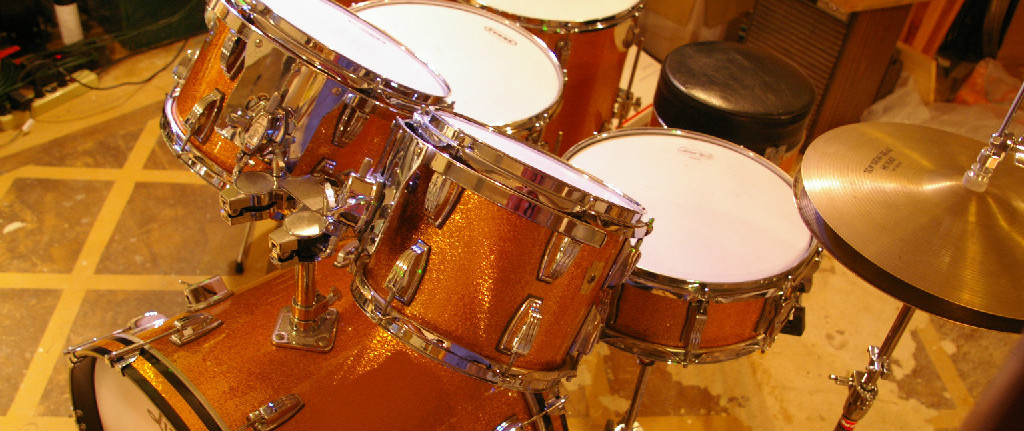
30. I’m thankful for leftovers. Not only did I have enough to eat for one day, but leftovers mean I get lunch the following day. My lunch today was leftovers from last week. My supper tonight was left over from last night. My before bed treat was leftover Halloween candy. It may not be as nice as eating lunch out every day, but I can be thankful for them nontheless.
29. For supper around the table with your family.
28. For the sound of the rain. #30daysofthanks
27. I’m thankful for a weekend full of gigs; a gig every day, Thursday – Sunday. It’s a second job, one that I love, and helps the budget. I’m thankful for the opportunity to work.
26. For a $25 meal voucher from the P/R director.
25. For ice cream, my sons who picked the flavor, and the wife who thought we should have some in the freezer.
24. For all you volunteers who sit on budget committees. Thank you for your work.
23. I’m thankful for my right to vote, and I’m thankful I don’t have to deal with Tracfone on a regular basis. Shoot, I think I’d take another Clinton if they could just make this phone work!
22. I’m thankful for the lady at Tracfone who took the time to read my trouble ticket. In it, she saw exactly what the problem was, and fixed in 15 minutes what 1/2 dozen other techs couldn’t figure out in over two weeks.
21. For snuggletime.
20. So much today. Thank you vets for serving, especially Coasties Thornton Batty, Sr., Thornton Batty, Jr., and William Batty, Sr. Thank you Josh Scholz for the care given to Susan at the ER. (#rocklandkiwanis5). Thank you to the Midcoast Community Band for letting me sit in with you, and honoring vets with the concert today. And thanks MCCB for all the kind words regarding my playing.
19. I accepted a gig to play Cinderella at Medomak. Then I got an opportunity to play a really choice gig in in Ellsworth. I’m thankful director Peter Stuart let me skip out of the last show, and thankful Tyler Lee covered for me in the pit.
18. For what is perhaps the greatest verse ever written in a hymn. “My sin, oh the bliss of this glorious thought, my sin not in part but the whole, is nailed to the cross, and I bear it no more, praise the Lord, praise the Lord oh my soul.”
17. Thank you Clifford Blastow for making scones for Kiwanis. Thank you Jane Filos Merrill for buying my breakfast tomorrow. #rocklandkiwanis5
16. For coffee and a donut. For a cookie and coffee. For pastries on the markdown rack. For a Facebook cover photo with me in it. For my favorite beef and noodles. And most importantly for the friends and family who show me they love me through these gestures.
15. For a daughter who banged out a 100 on her John exam, and a 95 on the theology exam. Boom! That’s MY daughter right there.
14. In about an hour, I leave to go to my ear doctor specialist down in Portland. I’m thankful for my employer, Jason Philbrook. Not only is he the entrepreneur who has employed me for almost 20 years, but in that time his businesses have provided me with health insurance, not only to me, but to my whole family. That’s no small expense on top of my pay. AND, he give me sick time which he allows me to use for doctor and dentist visits, so he’s paying my regular pay today to visit the doctor which he’s paying for through my insurance. Thank you JP.
13. I’m thankful for the technology that lets me get free drum lessons on Youtube, lets me keep up with friends and family via Facebook, let’s me find yummy oatmeal recipes on Pinterest, lets Susan check our bank balances daily, and all the other great uses of the integrated circuit.
12. For that thick cut bacon that was on sale two weeks ago at Shaws. Bagel sammiches for supper tonight–yum.
11. From Luke 15: “Father, I have sinned against heaven and against you. I no longer deserve to be called your son. Take me on as one of your hired hands.” So he got up and went to his father. While he was still a long way off, his father saw him and was moved with compassion. His father ran to him, hugged him, and kissed him.
10. My son Matthew is loving, kind, and tender. He cares more about others than himself. When his brother gets hurt, Matthew ends up crying because he hates to see his brother that way. He still hugs his dad. He’s a good boy.
9. Nathaniel is my oldest boy, the holder of the birthright (by 7 minutes), “son of my right hand.” He’s my “book learning” son. He taught me that Napolean wasn’t really short. He taught me the plural of platypus is platypodes. He’s teaching himself piano by watching videos on Youtube. You could describe him as impish. He’s got the makings of leadership–Matthew would follow him anywhere. I see a lot of me in him.
8. Julia is home!
7. “Praise God from whom all blessings flow, praise Him all creatures here below, praise Him above ye heavenly hosts, praise Father, Son, and Holy Ghost.” Thanks for the inspiration Jason Pauley.
6. Thanks to all the musicians and bandleaders who call me when they need a drummer. It’s very much appreciated.
5. For all the Rockland Kiwanians who helped unload Christmas trees today, and especially for Christmas tree chairs Ev Spear III and Dan Saucier. #rocklandkiwanis5
4. For a successful trip to Canada, a chance to sleep in my bed without the dog (oh the leg room!), a mother-in-law watching the boys and bed hogging dog, for opportunity to sleep late tomorrow, and the day off. Wow, that’s a lot right there!
3. Having lots of legroom last night was grand, and not getting up at 5am for walkies was nice too, but I’m tDeuteronomy is home tonight.
2. SUSAN!
1. God has a sense of humor. “Give thanks in all things.” I’m thankful we have a full staff at the shop today. I’m thankful the sump pump is now working. I’m thankful for two wet dry shop vacs. I’m thankful all the really expensive drums were off the floor.